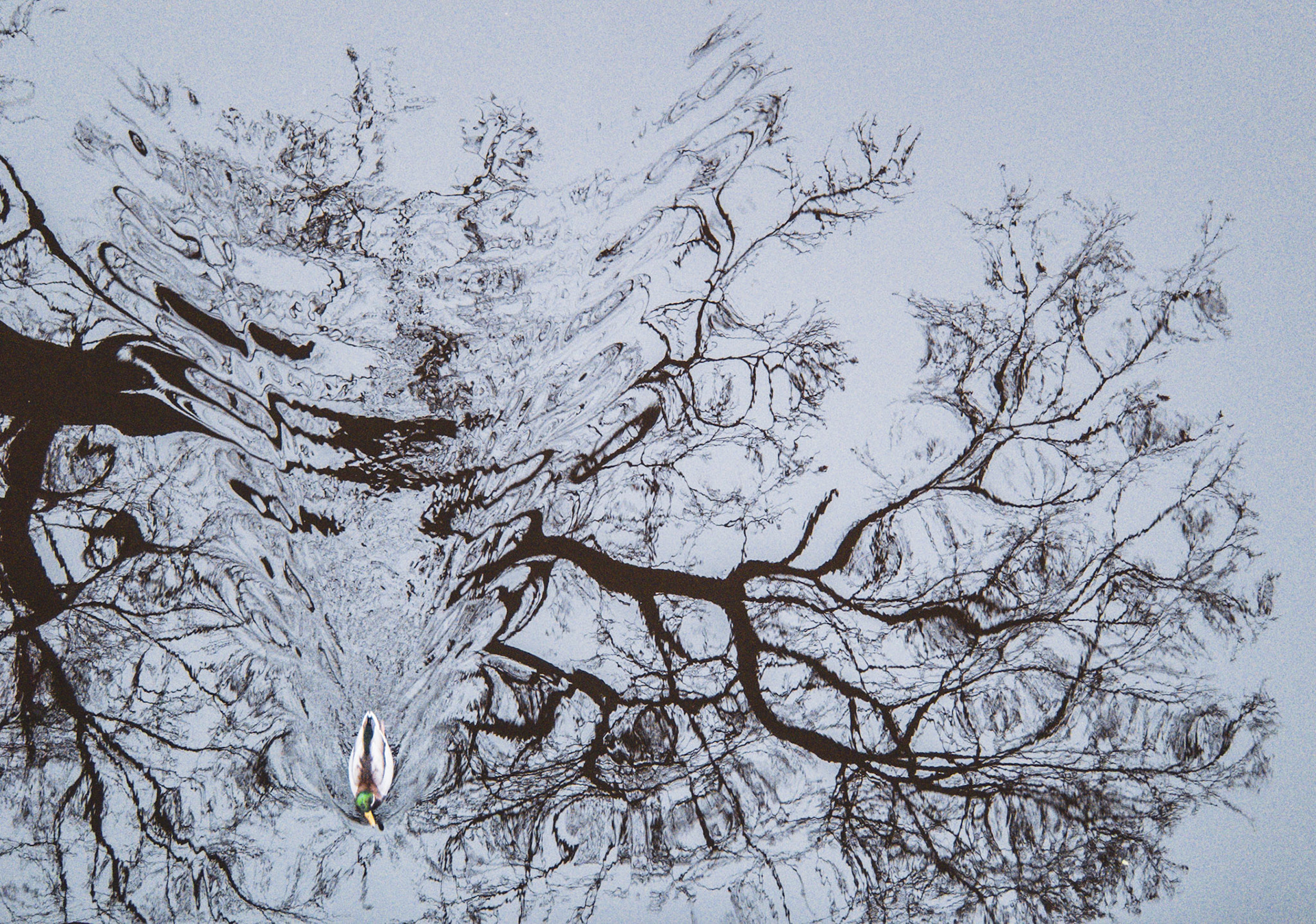
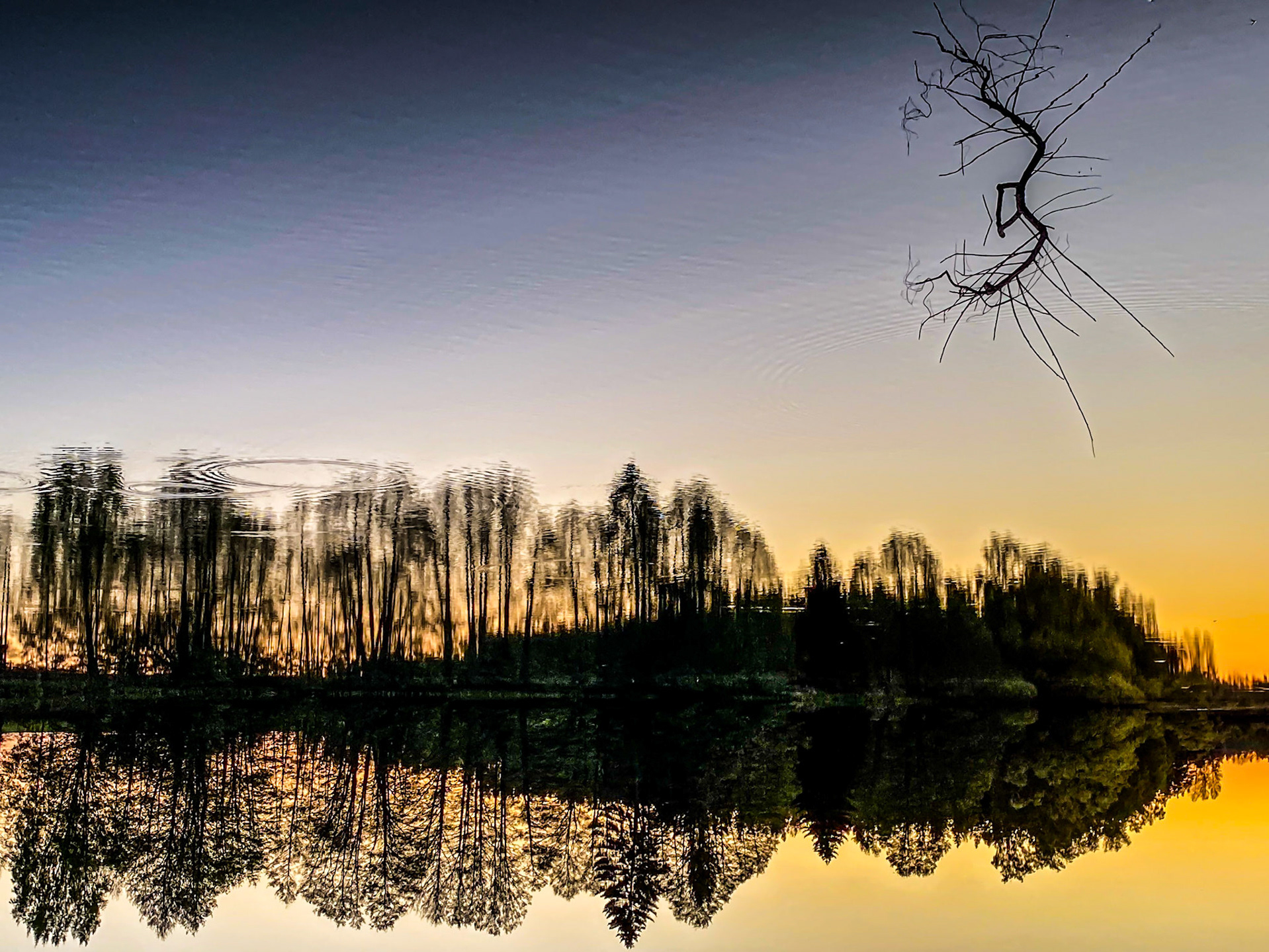
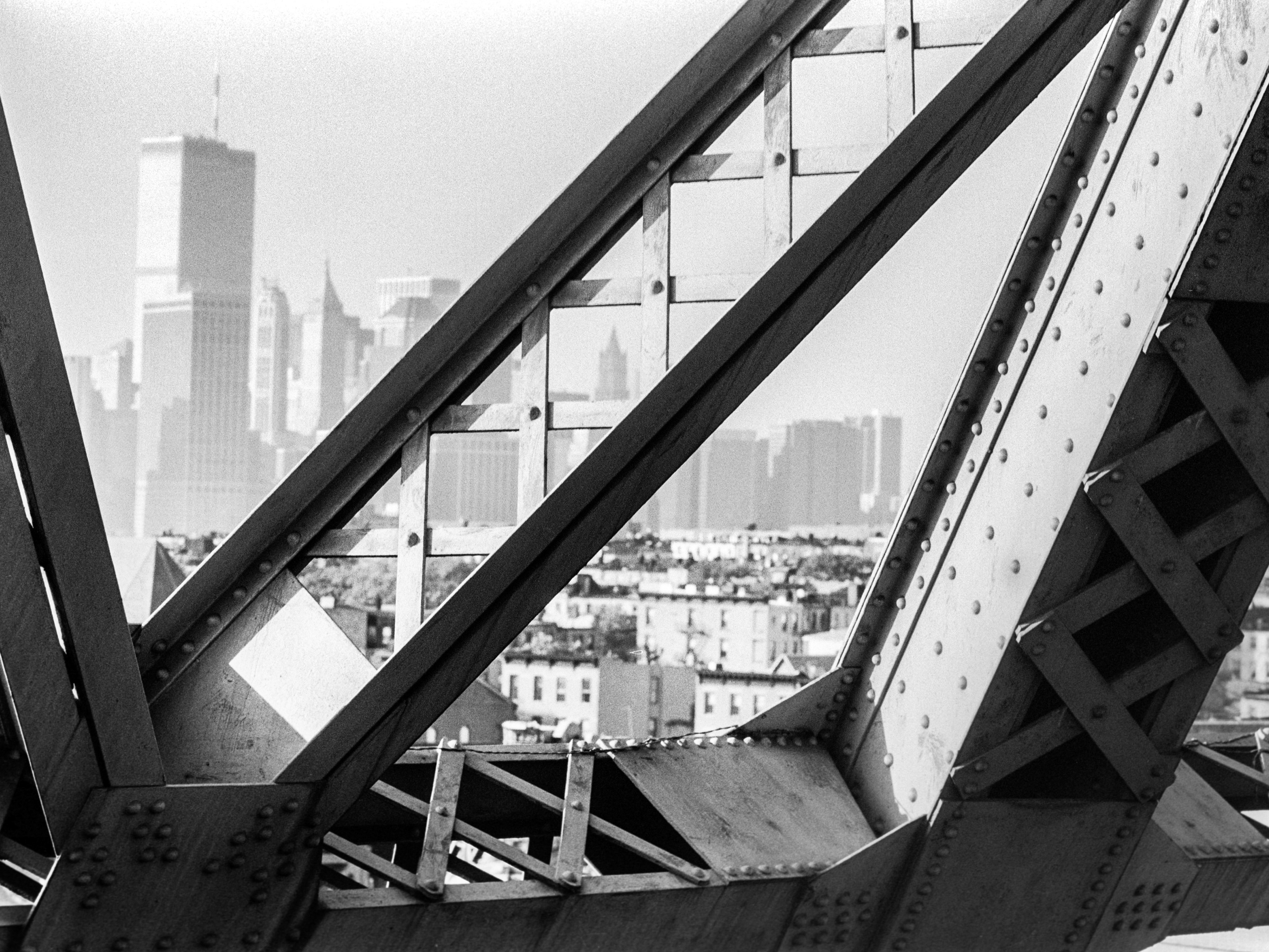
Light and water have always been in conversation with each other.
What I’m looking at here isn’t really the buildings—it’s what happens to them when they lose their certainty.
What I’m looking at here isn’t really the buildings—it’s what happens to them when they lose their certainty.
In the reflections, everything softens.
Lines that were once rigid begin to drift. The structures hold for a moment, then slip into something less fixed, more like memory than architecture.
Lines that were once rigid begin to drift. The structures hold for a moment, then slip into something less fixed, more like memory than architecture.
The photograph becomes a way of holding that instability.
A way of catching something the eye can’t quite settle on in real time.
A way of catching something the eye can’t quite settle on in real time.
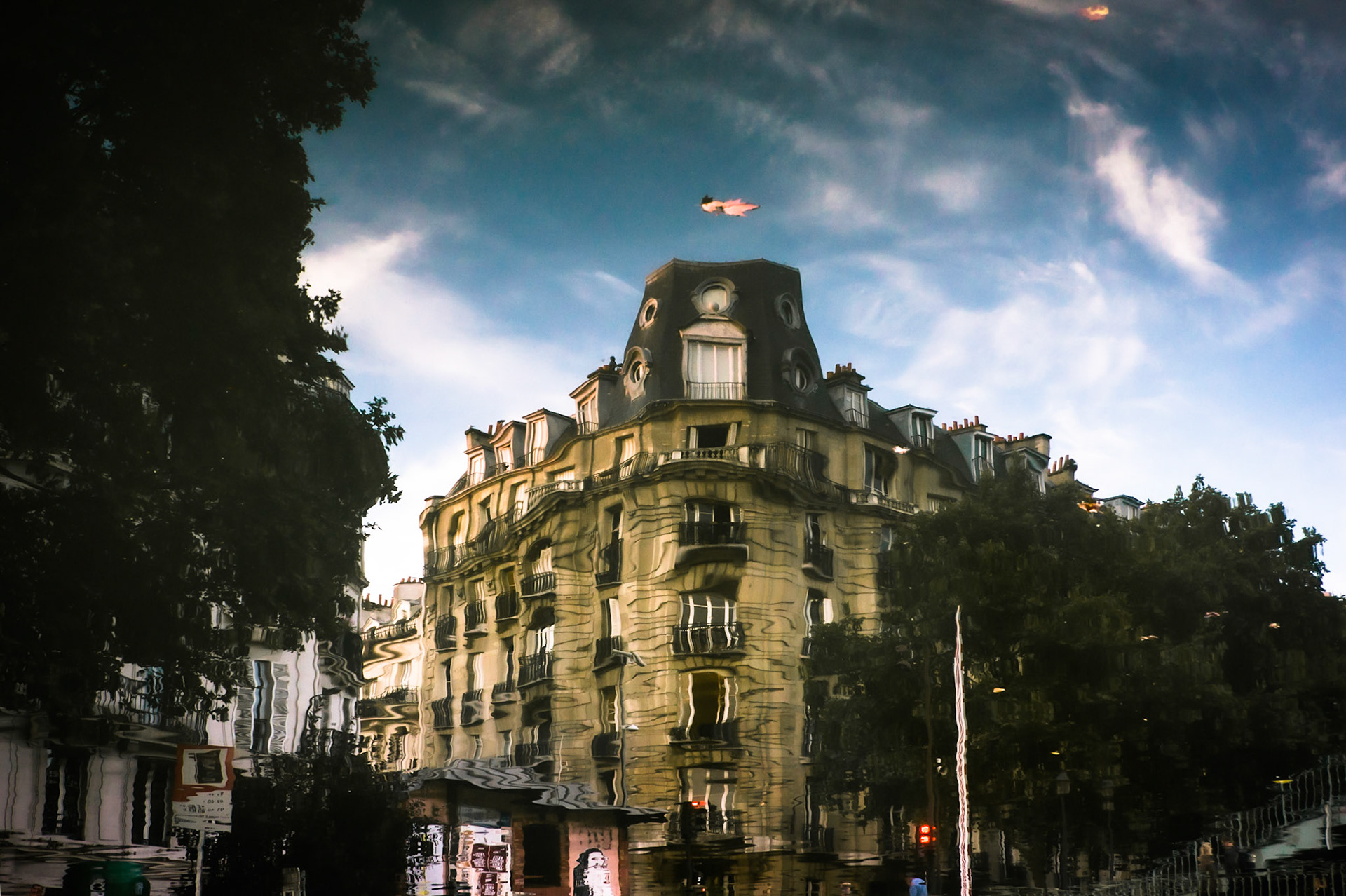
Rue Monsigneur Rodhain Paris
In these reflections, the architecture turns over on itself.
Water takes hold of it—not dramatically, just enough to loosen its edges.
Water takes hold of it—not dramatically, just enough to loosen its edges.
Hard lines begin to soften.
What was built to be stable starts to drift into something less certain.
What was built to be stable starts to drift into something less certain.
The image stops being about structure.
It becomes about what happens to structure when it’s disturbed—by wind, by light, by movement.
It becomes about what happens to structure when it’s disturbed—by wind, by light, by movement.
Gravity still exists, but it no longer dominates.
Things hold together just enough to be recognized, then slip into something more fluid.
Things hold together just enough to be recognized, then slip into something more fluid.
There’s a moment where it feels less like looking at a place
and more like remembering one.
and more like remembering one.
Not exactly real, not entirely imagined—
but somewhere in between, where the surface begins to take over.
but somewhere in between, where the surface begins to take over.
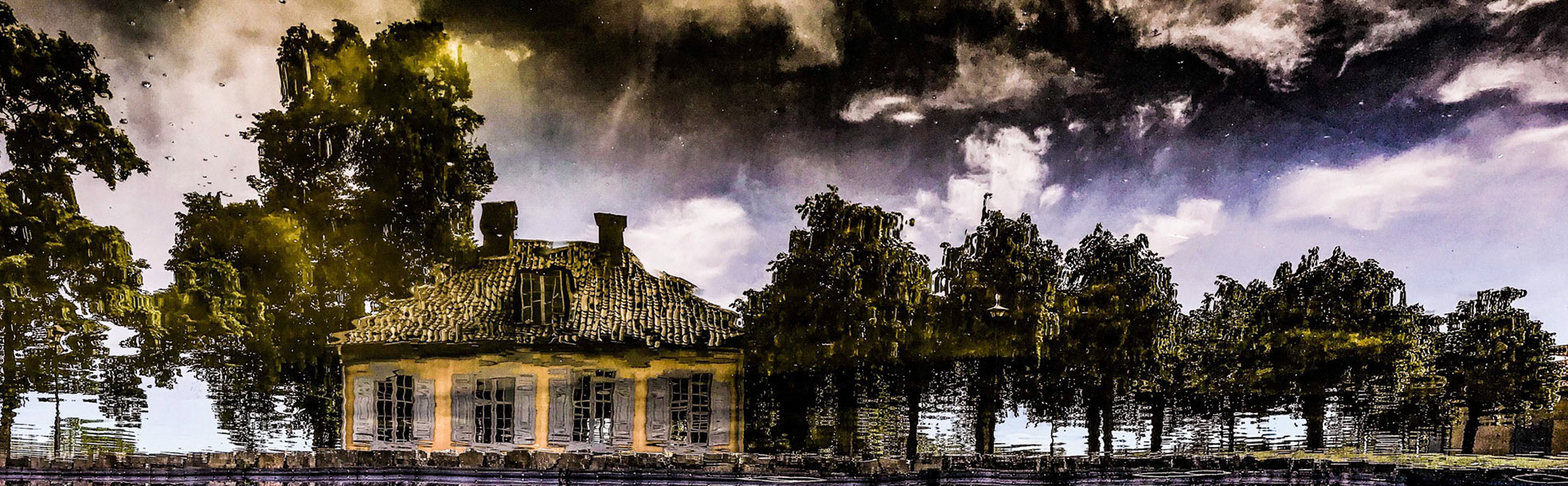
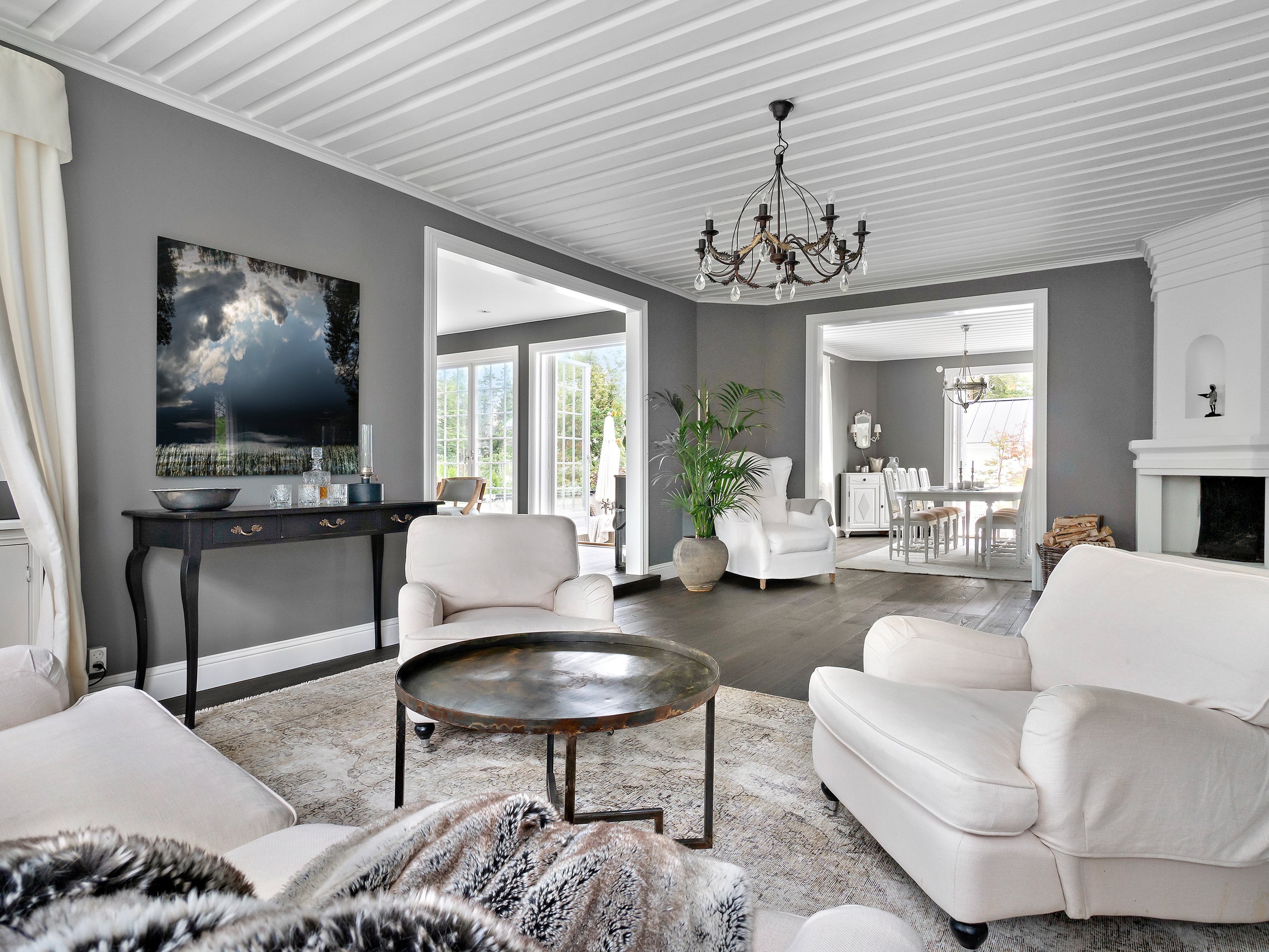
The Carriage House Nyckelviken Nacka Sweden

These reflections, inverted and distorted, reveal a truth that lies beyond the visible—a truth not of structure but of essence. They remind us that permanence is an illusion, that even the grandest structures become fleeting gestures when mirrored in the ever-changing surface of water.
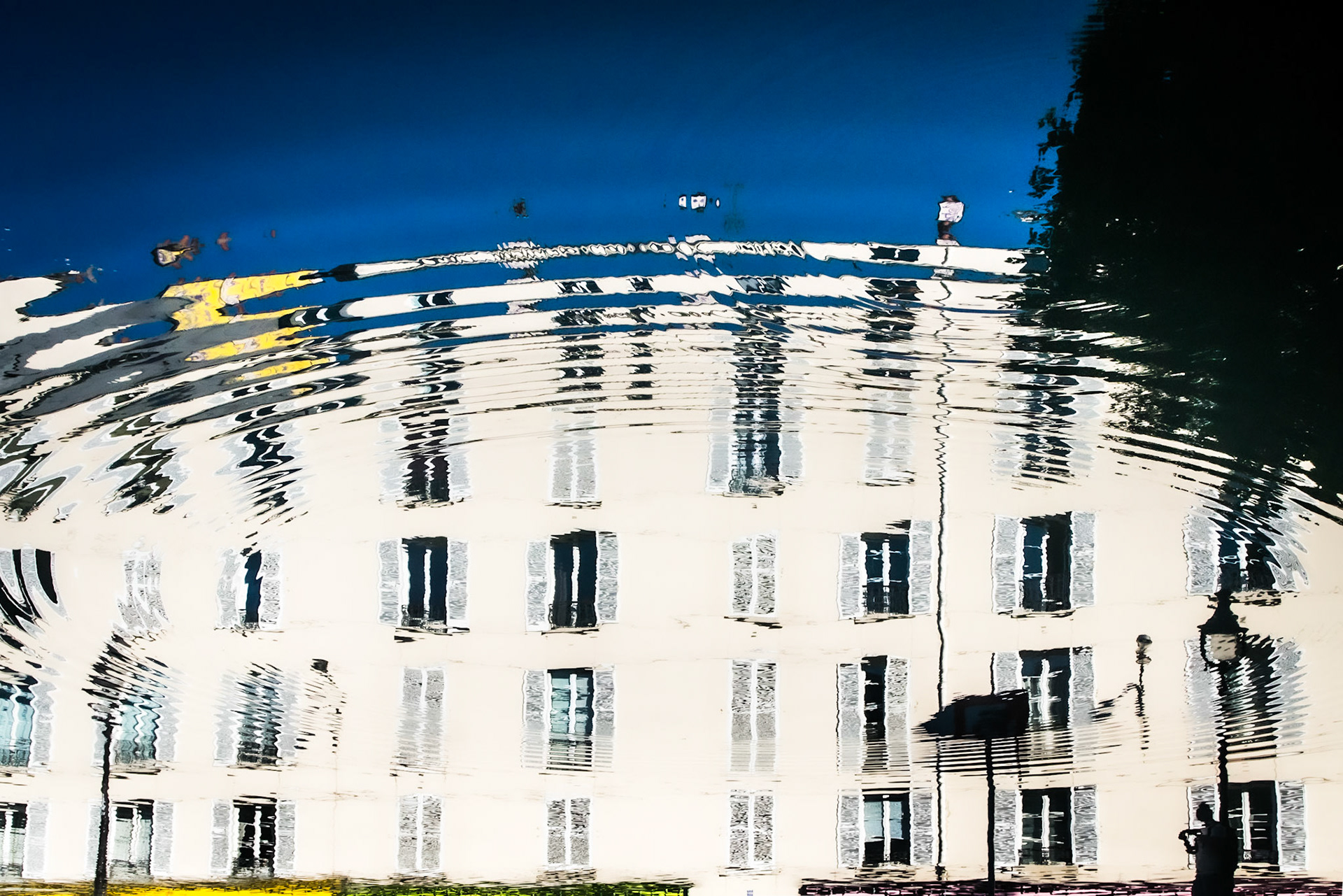
Rue des Récollets Paris
Photography holds the reflections of architecture on trembling water but their inversion blurs reality and imagination. The familiar dissolves into the abstract as light skips across ripples distorting hard lines into soft, painterly impressions.
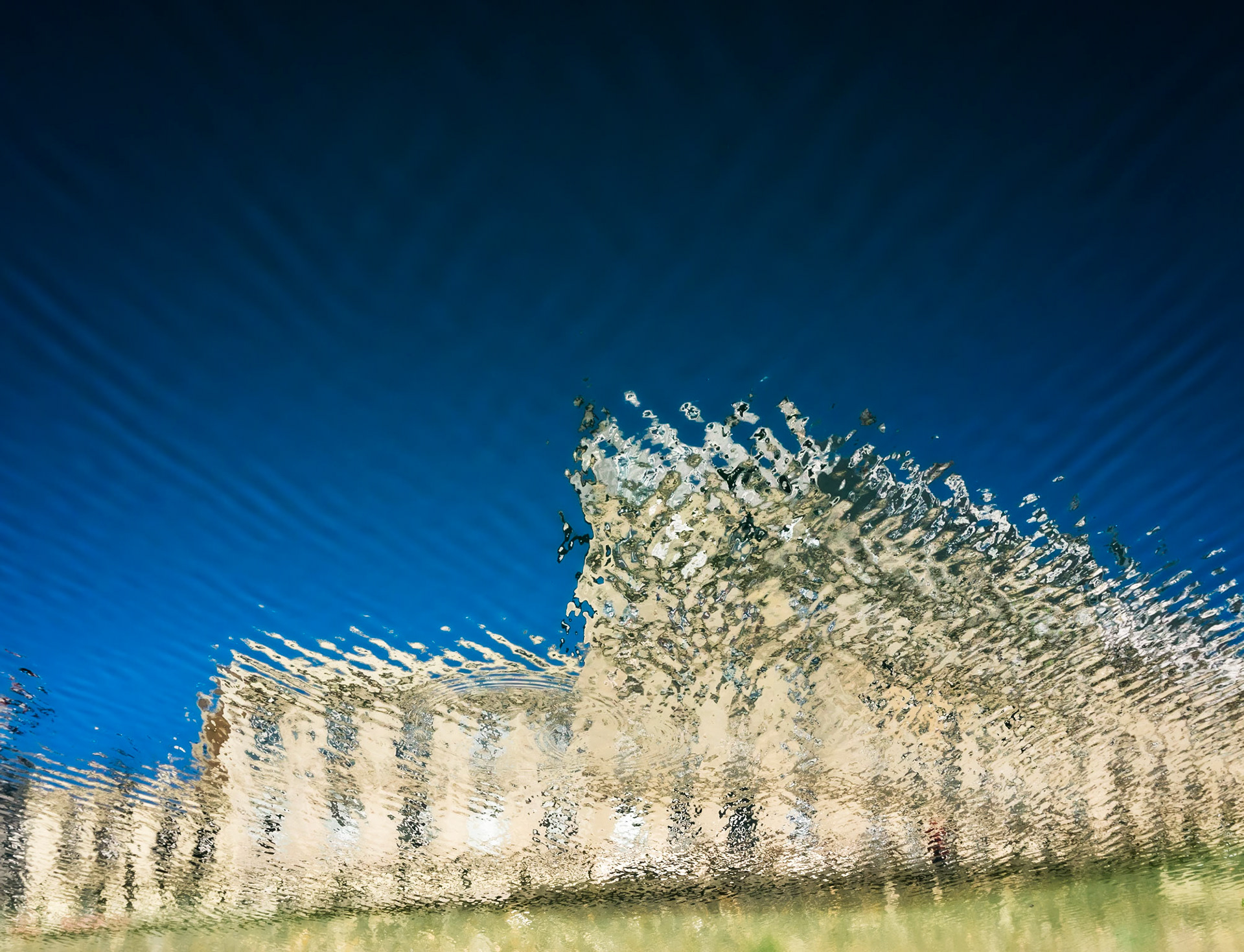
Rue Monsigneur Rodhain Paris

Old City Stockholm

Vadstena Castle Sweden